Production

Detailed Report on the Mezcal Creation Process

Mezcal, a spirit with Denomination of Origin (DOM) and profound cultural meaning, is the result of an artisanal and ancestral process that spans from care of the land to final bottling.

This report details the three essential stages of its creation, according to traditional methods and modern regulation.

1. Agave Planting, Cultivation, and Harvest (The Origin)

Mezcal is a distillate made from maguey (agave), a plant that requires years of patience and care before it can be harvested.

Agave Life Cycle

The process begins with planting shoots or seeds. Unlike other crops, maguey needs an exceptionally long maturation period that can range from 7 to 35 years depending on the species, with Espadin being the most common and fastest growing.
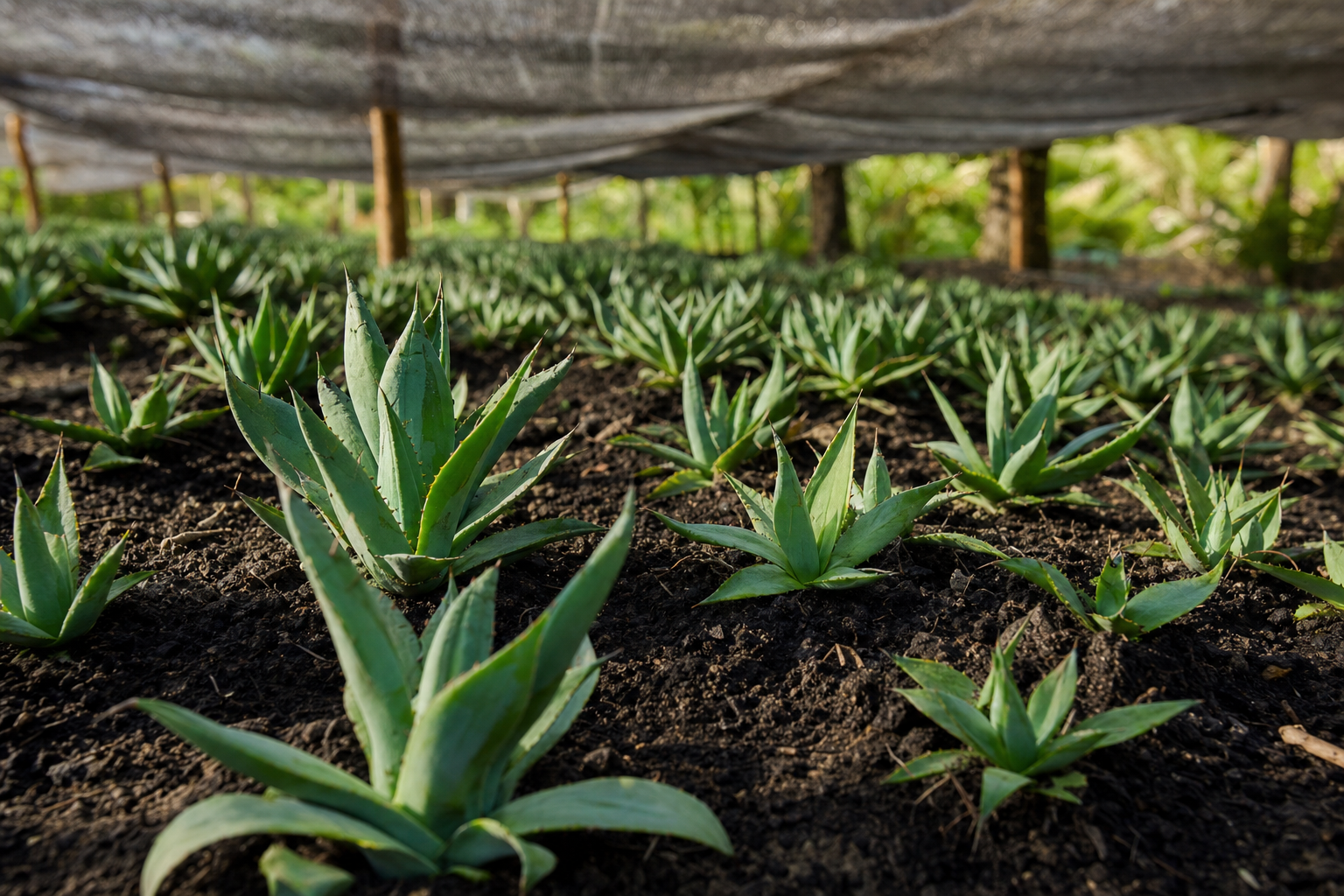
  • Sustainability and species: there is growing concern about environmental sustainability due to the overexploitation of certain wild agave species such as Tobala, Tepextate, and Cuishe.
  • While Espadin can be cultivated in a 7 to 10 year cycle, wild species require maturation cycles that extend beyond two decades.
  • Maestro Mezcaleros balance high demand and biodiversity risk by implementing crop rotation, controlled planting of wild species, and the development of nurseries.
Agave nursery with young shoots used to begin cultivation
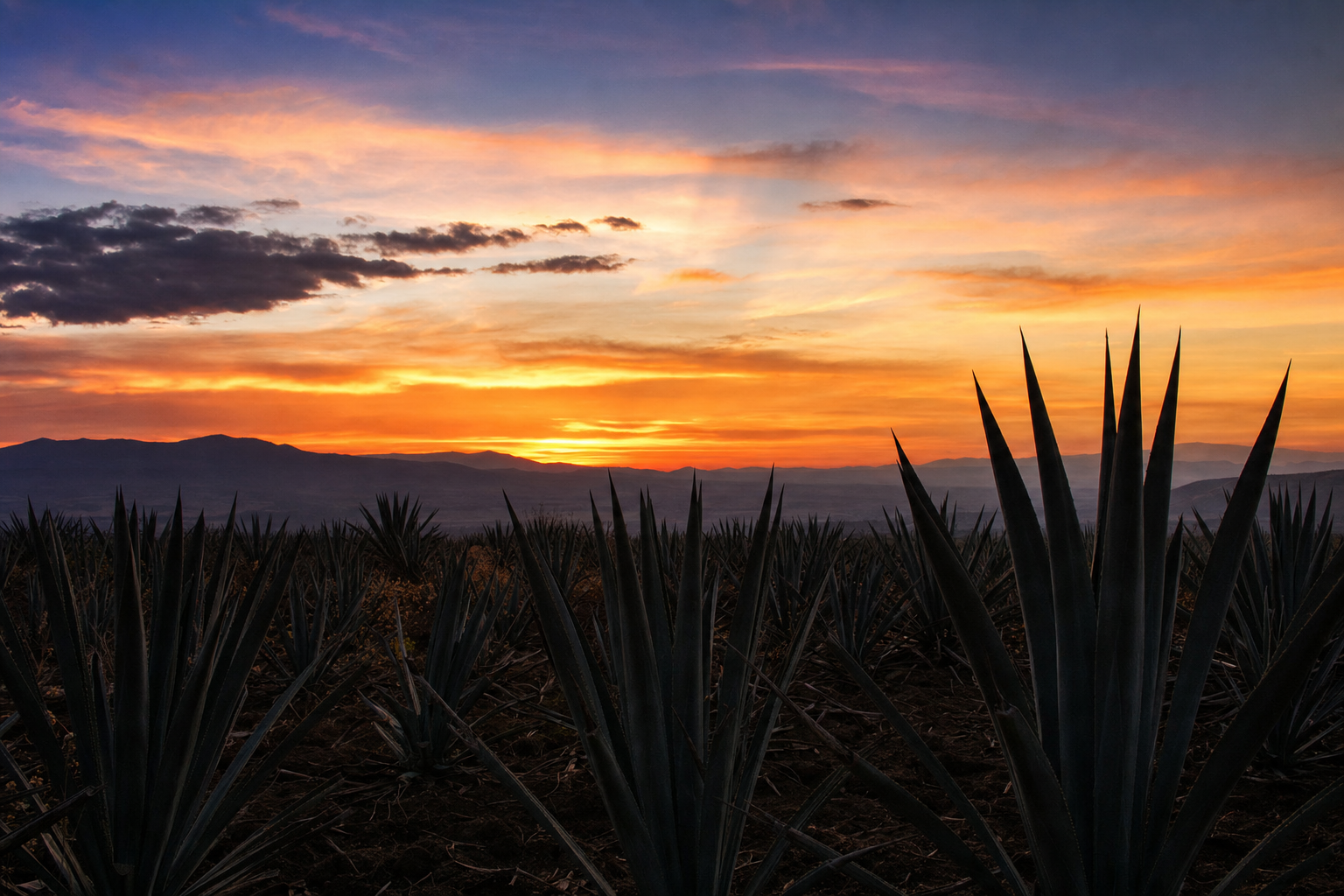
Agave field at sunset

Jima (Harvest)

Once the agave reaches optimal maturity, the jimador performs the harvest, known as jima.

  • Process: using a sharp tool called a coa, the pencas (leaves) of the maguey are cut away.
  • Only the heart of the plant is kept, known as the pina because of its conical shape once stripped of its leaves.
  • The exact moment of jima is crucial because it determines the concentration of sugars ready for fermentation.
Cutting agave leaves during the jima harvest

2. Production in the Palenque (The Ancestral and Artisanal Process)

The palenque is the traditional space where the Maestro Mezcalero directs the transformation of the pina into mezcal, following methods passed down from generation to generation.

A. Cooking (Tatemado)

This step is fundamental to the distinctive smoky flavor of mezcal.
  • Conical earth oven: the pinas are cooked in a cone-shaped oven dug into the ground and lined with volcanic stones.
  • Process: the stones are heated with firewood, usually oak, the pinas are placed over them, covered with bagazo, and sealed with earth and tarps.
  • Duration: cooking is slow, taking between three and five days, caramelizing the agave sugars and giving mezcal its profile of smoke and earth.
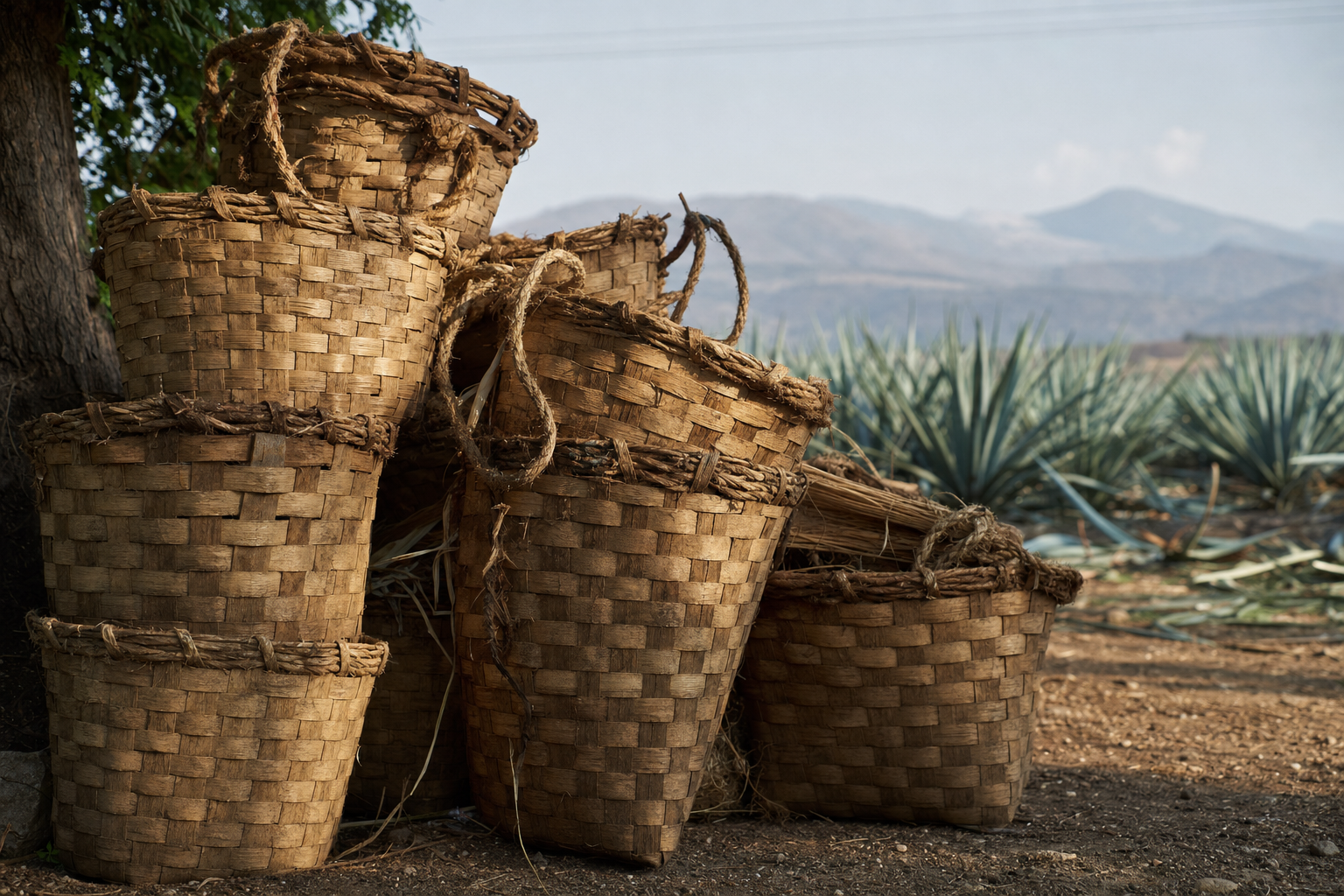
Prepared agave for artisanal cooking and processing stages
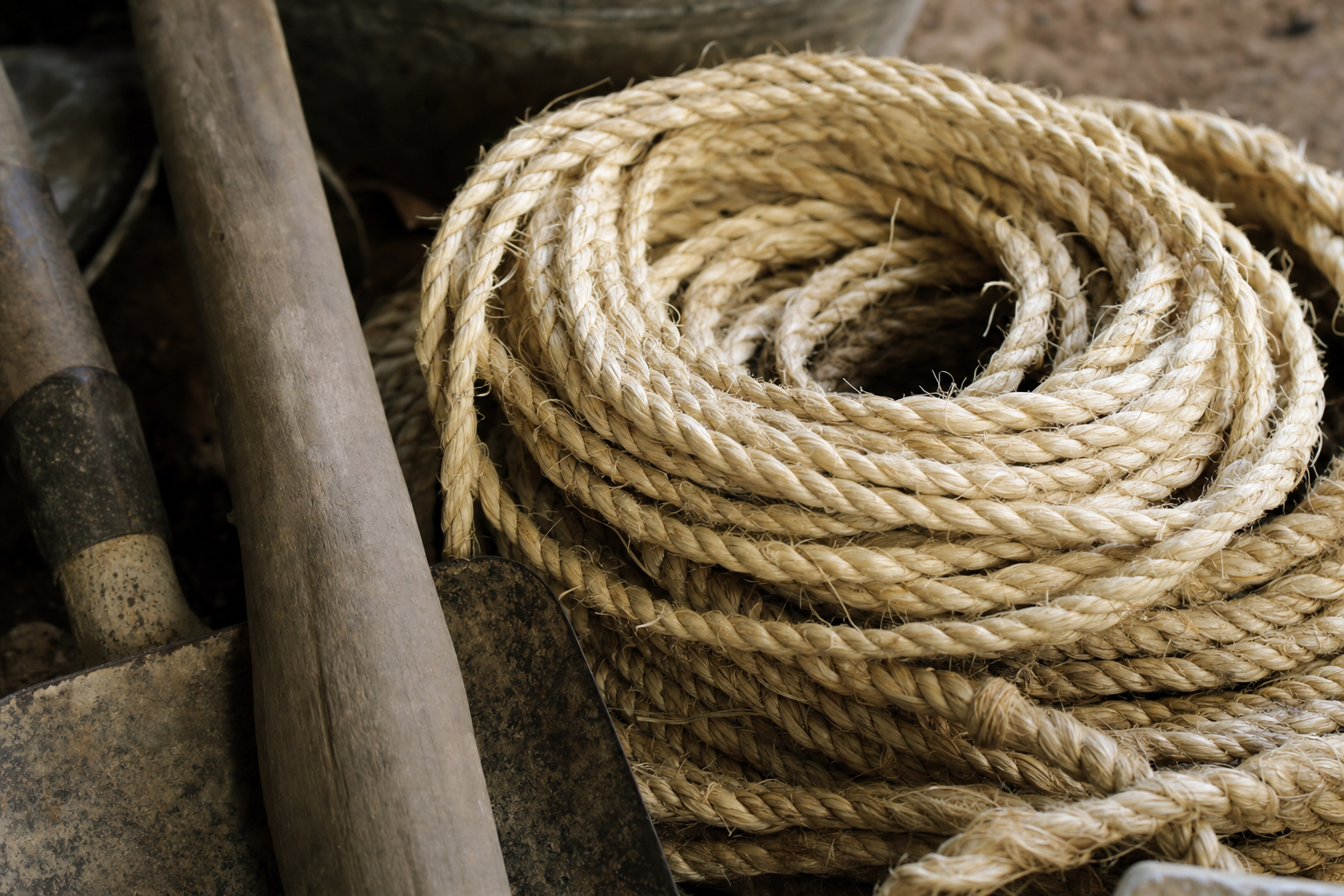
Detail of agave fibers used during the production process

B. Milling (Extraction)

Once cooked, the pinas are allowed to cool before the sugars are extracted.
  • Tahona method: a stone wheel slowly crushes the cooked pina.
  • Wooden mallets: an ancestral manual technique used to separate fibers and juices.
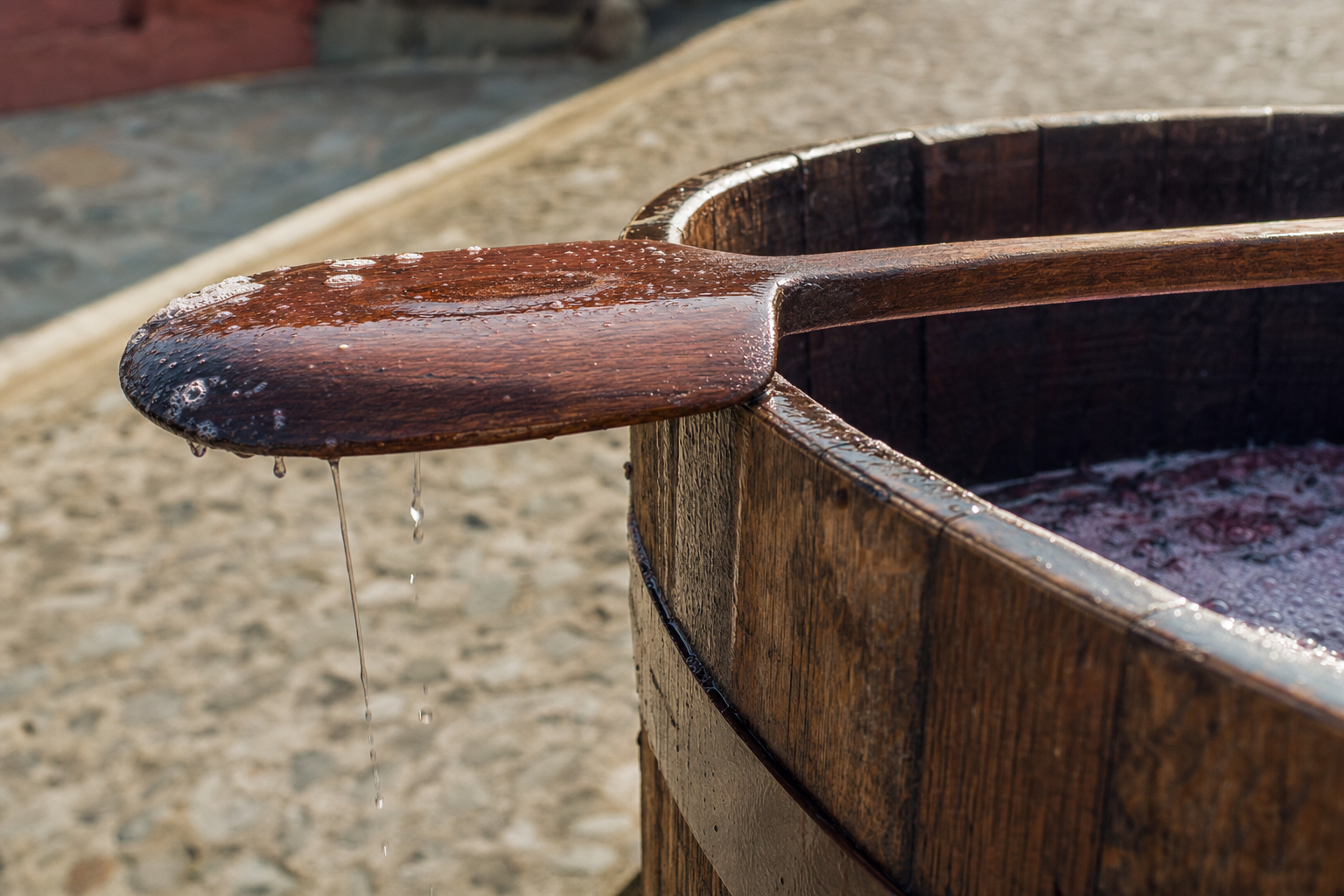
Wooden tool used during mosto fermentation

C. Fermentation (Natural Transformation)

The crushed agave, or mosto, is placed in open vats for fermentation.

  • Vats: wood, generally pine or oak, or stone.
  • Process: fermentation is natural, without added yeasts; environmental yeasts and bacteria convert sugars into alcohol.
  • Its duration depends on ambient temperature and can extend over several days.

D. Distillation (The Magic of the Maestro Mezcalero)

Distillation is the moment when the fermented mash becomes spirit.
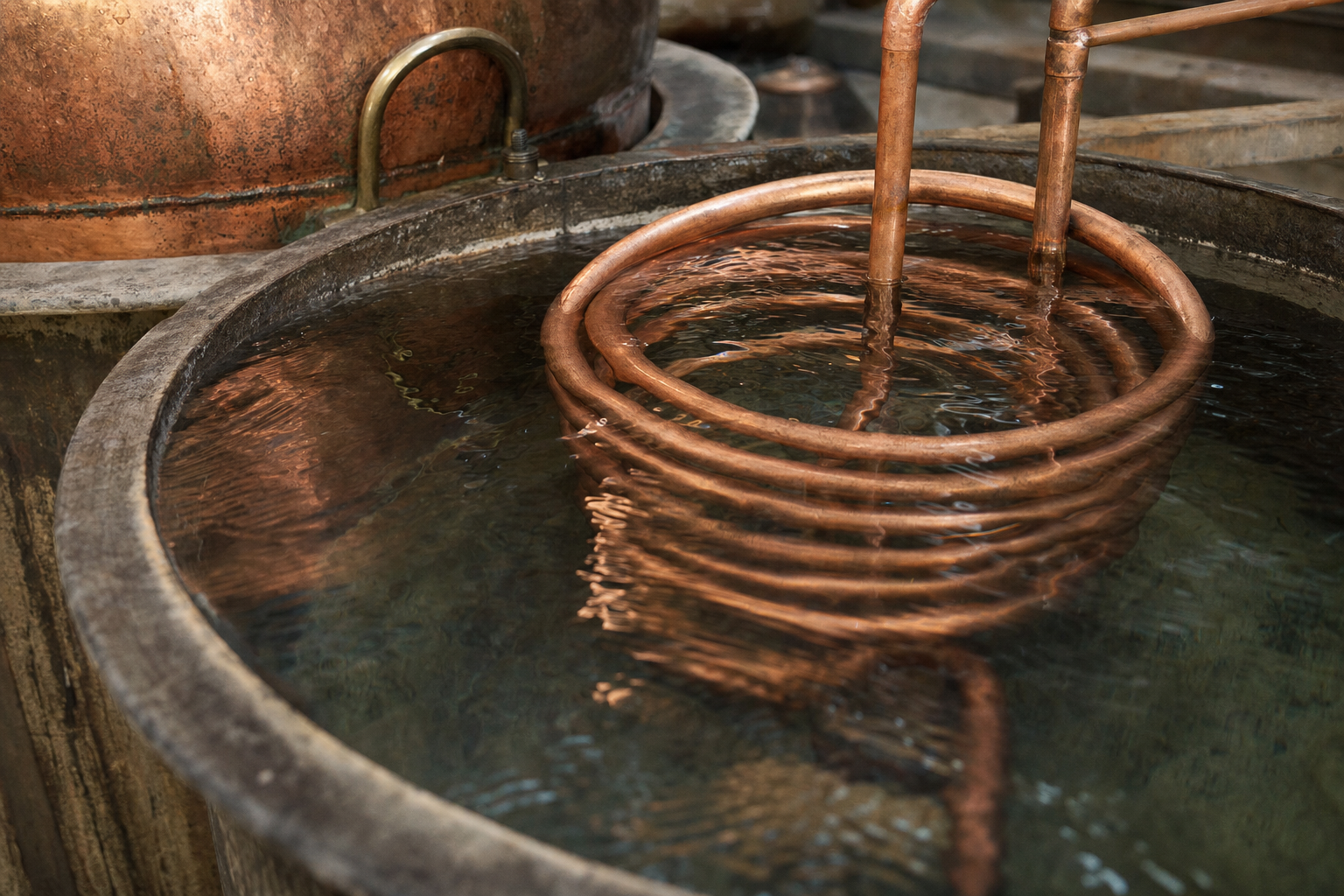
  • Types of still: depending on palenque tradition, copper or clay stills are used.
  • Double distillation: mezcal is typically distilled twice to refine purity and aroma.
  • Quality control (pearls): the Maestro Mezcalero reads the bubbles formed when shaking the liquid to determine alcoholic strength and final quality.
Copper coil used during distillation
Pearl test used for mezcal quality control

3. Maturation, Filtration, Certification, and Bottling

The process concludes with preparing the mezcal for the market, ensuring its authenticity and compliance with regulations.

Classification and Maturation

Mezcal is classified according to its process and resting time:
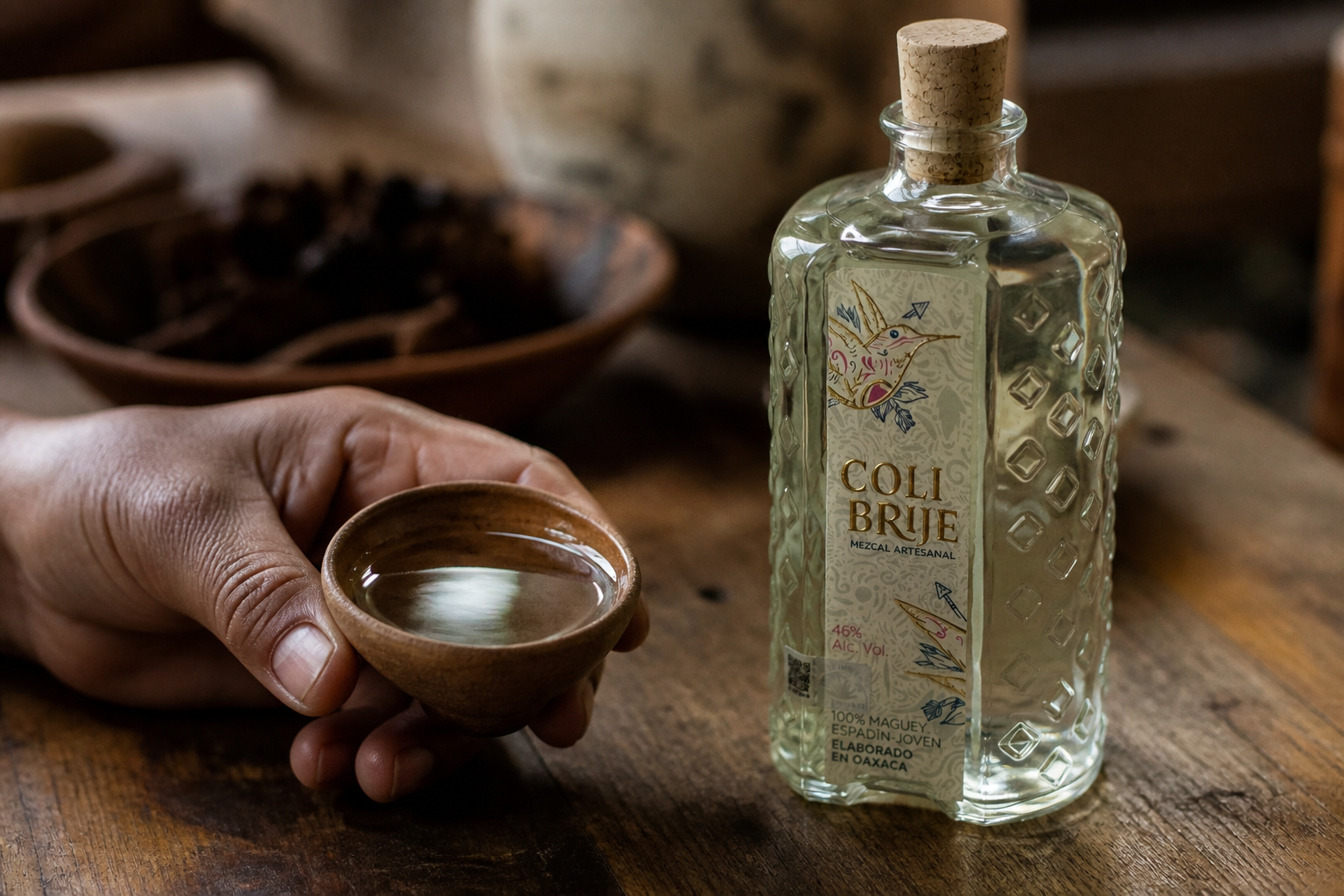
  • Joven or Blanco mezcal: pure distillate.
  • Reposado mezcal: matured in wooden barrels for two to twelve months.
  • Anejo mezcal: matured in barrels for more than twelve months.
Mezcal tasting with finished bottle

Certification (DOM)

Since the recognition of the Mezcal Denomination of Origin (DOM) in 1994, the product must be certified.
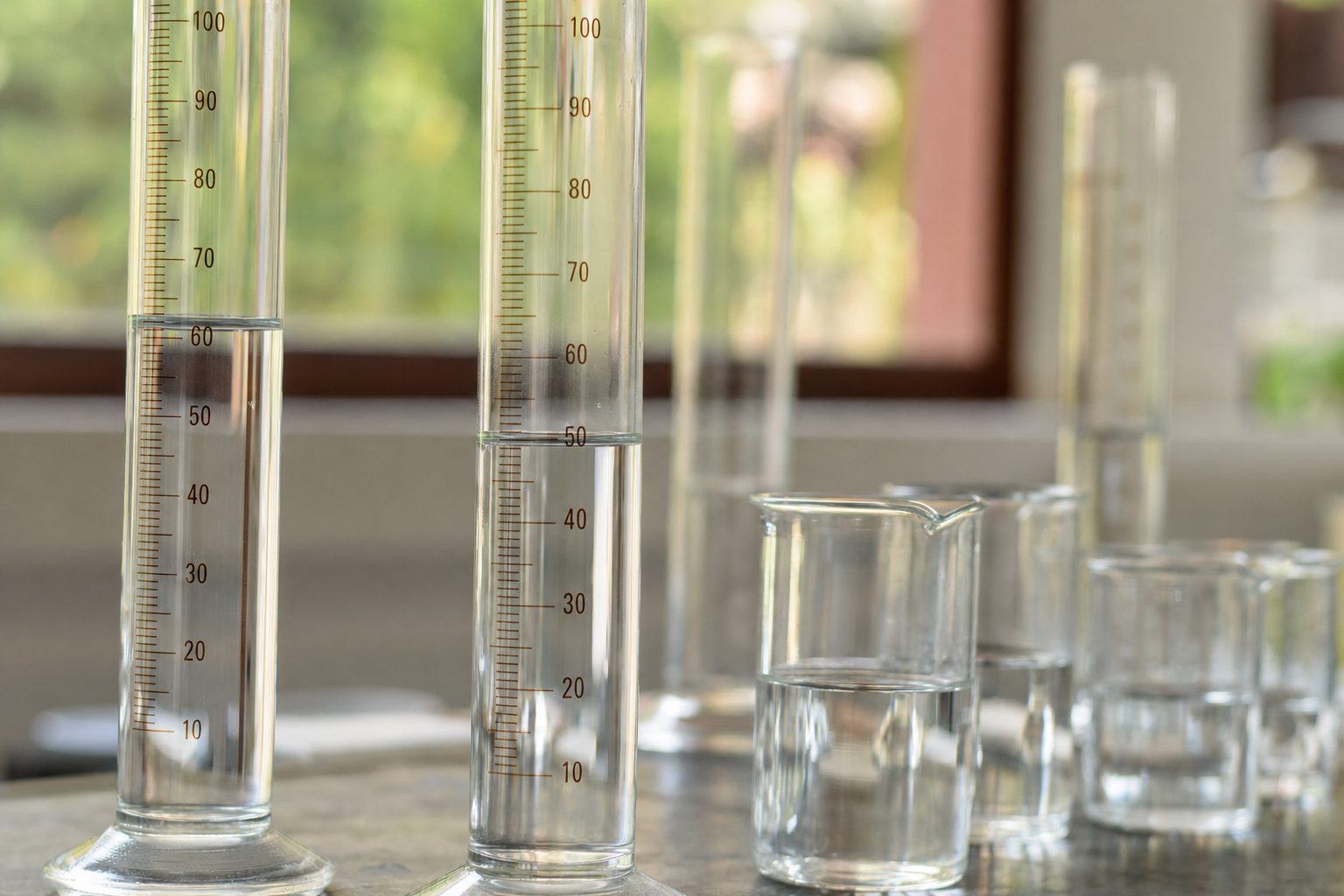
  • Regulation: the final product must be analyzed by a certifying body to ensure it meets the required alcoholic strength and chemical characteristics.
Laboratory analysis for DOM certification

Bottling

The certified mezcal is filtered and bottled. The label must indicate the class, the agave species, and the name of the Maestro Mezcalero.
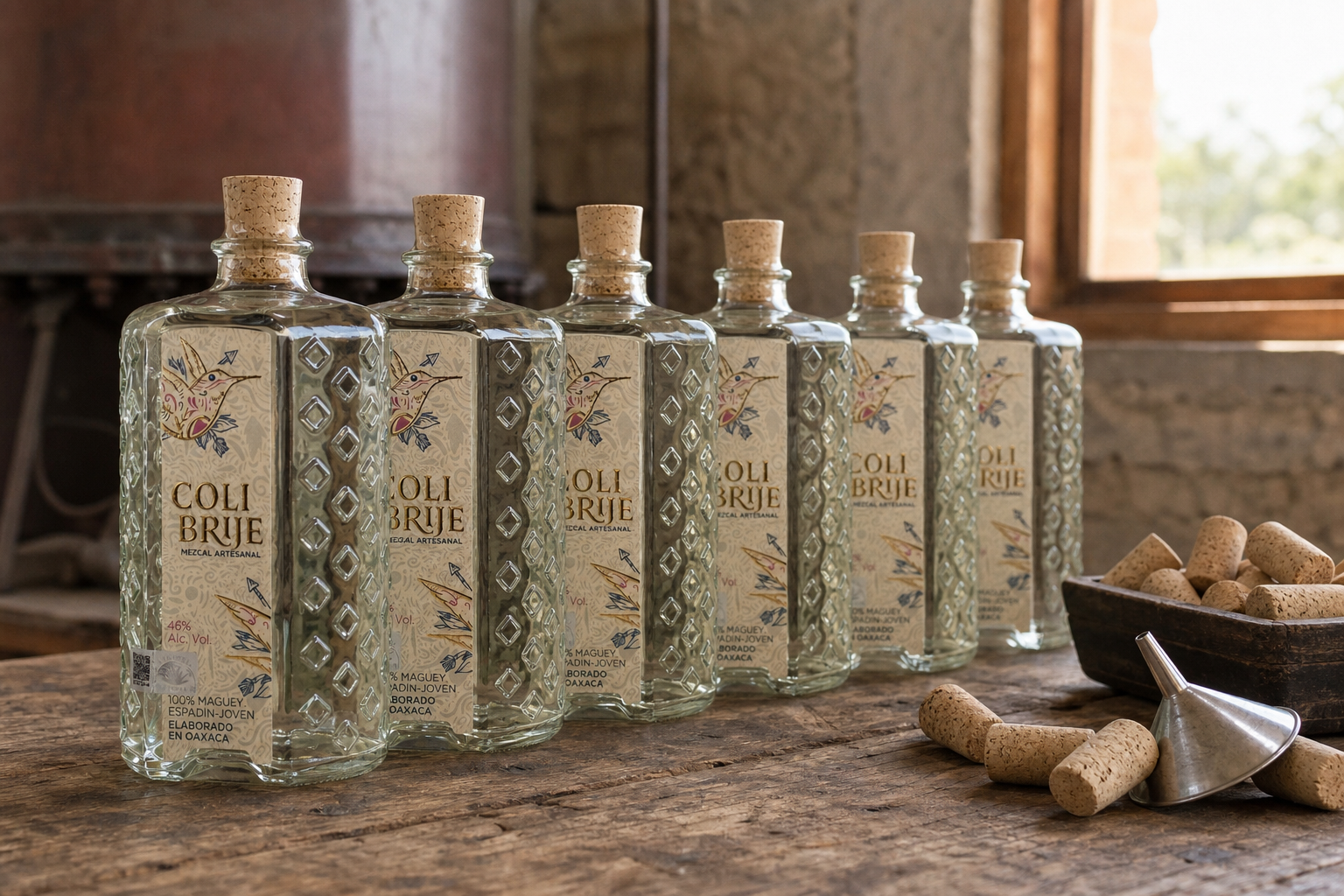
Bottling table with Colibrije bottles ready for market